
 English
Views: 0 Author: Site Editor Publish Time: 2026-03-11 Origin: Site


In the highly competitive world of manufacturing, the quality of a product's surface finish is of paramount importance. A superior surface finish not only enhances the aesthetic appeal of a component, but it also plays a crucial role in ensuring its functional performance and service life. This is especially true in industries such as aerospace, automotive, and medical device manufacturing, where strict quality standards and regulations must be met.
The surface finish of a machined part is a direct reflection of the accuracy, precision, and control of the manufacturing process. A smooth, consistent surface not only improves the overall appearance of the component, but it can also have a significant impact on its tribological properties, corrosion resistance, and even fatigue life. Conversely, a poor surface finish can lead to a variety of issues, including increased wear and tear, reduced product lifespan, and even the potential for premature failure.
Given the critical importance of surface quality, manufacturers are continuously seeking ways to enhance their CNC machining capabilities and push the boundaries of what is achievable. One of the most promising solutions in this regard is the use of advanced 5-axis CNC machining centers, which offer a range of benefits that can help users achieve superior surface finishes.
Compared to their 3-axis and 4-axis counterparts, 5-axis CNC machining centers possess a number of unique features and capabilities that make them well-suited for producing parts with exceptional surface quality.
One of the primary advantages of 5-axis CNC machining is its ability to handle more complex geometries and freeform surfaces. By adding two additional rotational axes (typically the A-axis and the B-axis), 5-axis machines can access and machine areas of a workpiece that would be difficult or impossible to reach with traditional 3-axis or 4-axis methods. This increased accessibility and flexibility allows for the fabrication of parts with intricate shapes and features, which can be particularly beneficial for the production of medical implants, aerospace components, and other high-precision products.
In addition to their enhanced machining capabilities, 5-axis CNC machines also offer the ability to optimize tool engagement with the workpiece. By precisely controlling the tilt and orientation of the cutting tool, 5-axis machining centers can maintain a more favorable tool-to-workpiece relationship throughout the machining process. This results in improved chip evacuation, reduced cutting forces, and better heat dissipation – all of which contribute to a superior surface finish.
The inherent efficiency of 5-axis machining can also have a positive impact on surface quality. By enabling more operations to be performed in a single setup, 5-axis machines can significantly reduce the number of part handlings and tool changes required. This not only streamlines the manufacturing process but also helps to maintain consistent part alignment and eliminate potential sources of error that could compromise surface finish.
The versatility of 5-axis machining also allows for greater design freedom, as it enables the fabrication of parts with complex geometries that would be extremely challenging or even impossible to produce using traditional 3-axis or 4-axis methods. This enhanced design flexibility can be particularly beneficial in industries where complex shapes and intricate features are in high demand, such as aerospace, medical, and high-end consumer products.
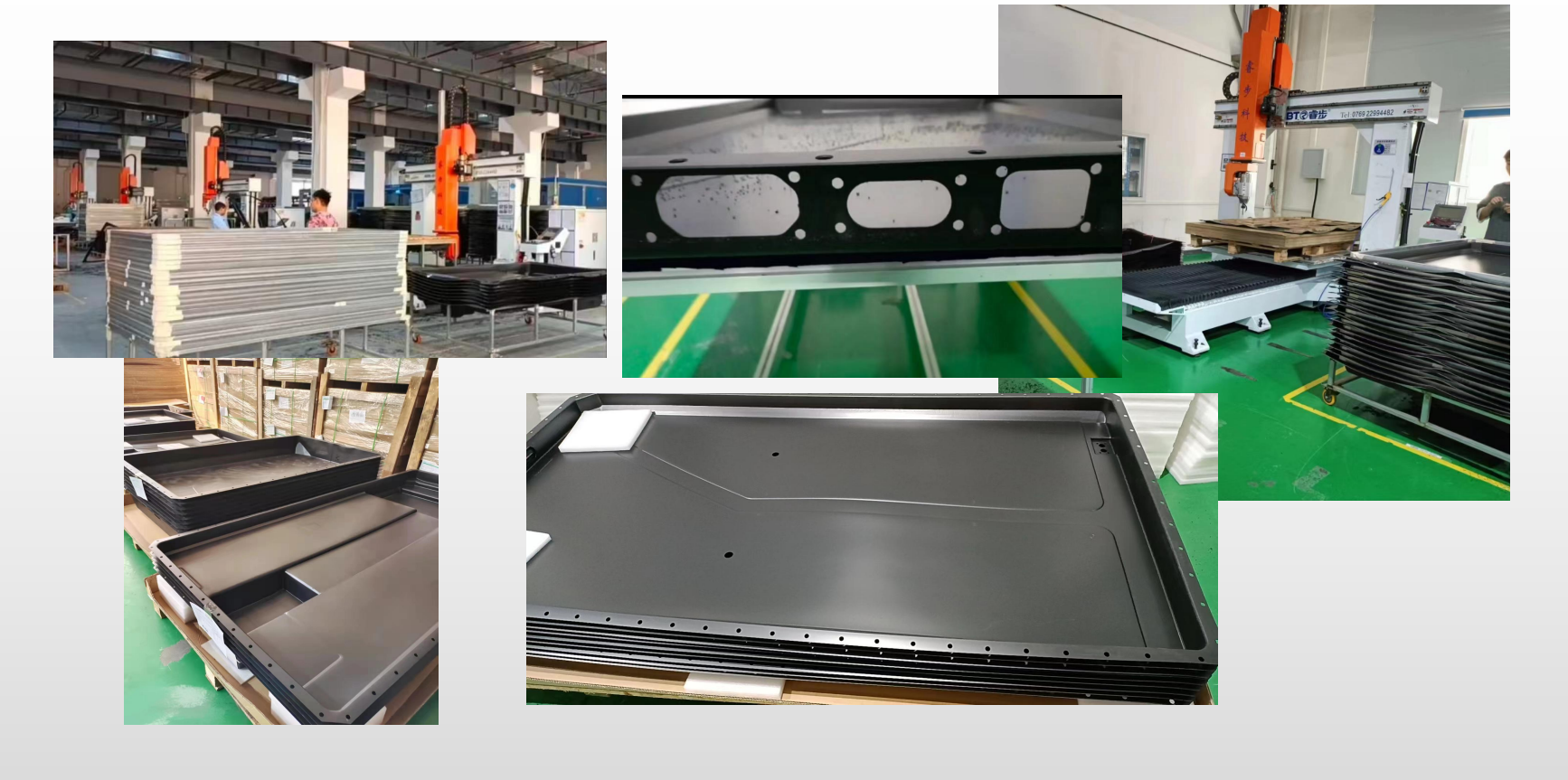
To fully harness the potential of 5-axis CNC machining for achieving exceptional surface finishes, a comprehensive approach is required that takes into account various factors, including machine tool capabilities, tool management, process control, and measurement techniques.
The foundation for achieving superior surface quality starts with the machine tool itself. Advanced 5-axis CNC machining centers must possess the necessary hardware capabilities to deliver the required level of precision and accuracy. This includes features such as:
Robust, high-rigidity machine tool structures to minimize vibration and deflection
High-precision, direct-drive rotary axes for smooth, accurate motion
Powerful, high-speed spindles capable of maintaining tight tolerances
Advanced motion control systems with advanced servo-loop algorithms
Sophisticated thermal management systems to maintain machine stability
By investing in state-of-the-art machine tool hardware, manufacturers can ensure that their 5-axis CNC machining centers have the fundamental capabilities required to achieve exceptional surface finishes.
In addition to the machine tool hardware, the selection and management of cutting tools is also crucial for optimizing surface quality. Factors such as tool material, geometry, and coatings can have a significant impact on the final surface finish. Manufacturers must carefully evaluate and test various tool options to determine the most suitable combination for their specific applications.
Furthermore, tool wear and breakage can also have a detrimental effect on surface finish, so regular tool monitoring and replacement strategies are essential. Advanced tool management systems, which can automatically detect and compensate for tool wear, can be particularly helpful in maintaining consistent surface quality throughout the machining process.
Achieving superior surface finish in 5-axis CNC machining also requires a high level of process control and optimization. This encompasses everything from workpiece setup and fixturing to cutting parameters and machining strategies.
Proper workpiece clamping and support is critical to maintaining part stability and minimizing the risk of deformation or vibration, both of which can compromise surface quality. Manufacturers must also carefully select and fine-tune cutting parameters such as spindle speed, feed rate, and depth of cut to ensure optimal chip formation, heat dissipation, and tool life.
In addition, the machining strategy itself, including tool path planning and tool engagement, plays a crucial role in determining the final surface finish. By leveraging advanced CAM software and implementing best practices for tool path generation, manufacturers can minimize the risk of surface defects and achieve a consistently high level of surface quality.
Accurate and reliable measurement and inspection techniques are essential for verifying and maintaining the desired surface finish in 5-axis CNC machining. This includes the use of sophisticated surface roughness measurement instruments, such as contact profilometers and non-contact optical systems, to precisely quantify the surface characteristics of machined parts.
By incorporating these advanced metrology tools into the manufacturing process, manufacturers can quickly identify and address any issues that may arise, ensuring that the final product meets or exceeds the specified surface quality requirements. Regular inspection and feedback loops can also help to optimize the overall machining process, leading to even better surface finishes over time.
Finally, the role of the machine operator cannot be overstated when it comes to achieving superior surface finish in 5-axis CNC machining. Highly trained and experienced operators play a crucial part in unlocking the full potential of these advanced machine tools.
Skilled operators must possess a deep understanding of machine tool capabilities, cutting tool dynamics, and machining strategies. They must also be adept at troubleshooting and problem-solving, as they are often the first line of defense in identifying and resolving any issues that may arise during the machining process.
By leveraging their expertise and experience, operators can make real-time adjustments to machine parameters, tool selections, and machining strategies to optimize surface quality. They can also provide valuable feedback to process engineers and designers, helping to continuously improve the overall manufacturing workflow.
In the highly competitive world of modern manufacturing, the ability to consistently produce parts with exceptional surface finish is a critical differentiator. By harnessing the power of advanced 5-axis CNC machining centers, manufacturers can unlock new levels of surface quality, allowing them to meet the stringent requirements of industries such as aerospace, medical, and high-end consumer products.
However, achieving this level of surface finish requires a comprehensive, multi-faceted approach that takes into account the machine tool hardware, cutting tool management, process control, measurement techniques, and the expertise of the machine operators. By focusing on these key areas and continuously striving for improvement, manufacturers can position themselves at the forefront of the industry, delivering superior-quality products that meet the ever-evolving demands of their customers.
As a leading provider of advanced 5-axis CNC machining solutions, Fujian RBT Intelligent Equipment Co., Ltd. is dedicated to helping manufacturers achieve superior surface finishes and stay ahead of the competition. With over 24 years of experience in the industry, RBT offers a wide range of high-precision 5-axis CNC machines, complemented by cutting-edge technologies, customized solutions, and world-class after-sales support. By partnering with RBT, manufacturers can unlock the full potential of 5-axis machining and consistently deliver exceptional surface quality for their most demanding applications.


